
Could Built-in Oven Test Be The Key To Achieving 2024?
페이지 정보
작성자 Morris 댓글 0건 조회 36회 작성일 25-12-16 21:41본문
The Ultimate Built-in Oven Test: A Comprehensive Guide
In today's modern cooking areas, built-in ovens have become an important appliance, using more than just a method of cooking food. Their smooth styles, innovative features, and effective cooking methods can considerably enhance the culinary experience. However, with a myriad of options on the marketplace, choosing the best built-in oven can be overwhelming. This article aims to dive deep into the intricacies of built-in ovens, offering a structured approach to evaluating their abilities and performance.
1. Understanding Built-in Ovens
Before diving into the testing procedure, it's essential to comprehend what separates built-in ovens from standard freestanding designs. Built-in ovens are designed to be integrated into cabinetry, offering a smooth appearance and maximizing kitchen area space. They are available in various types, including:
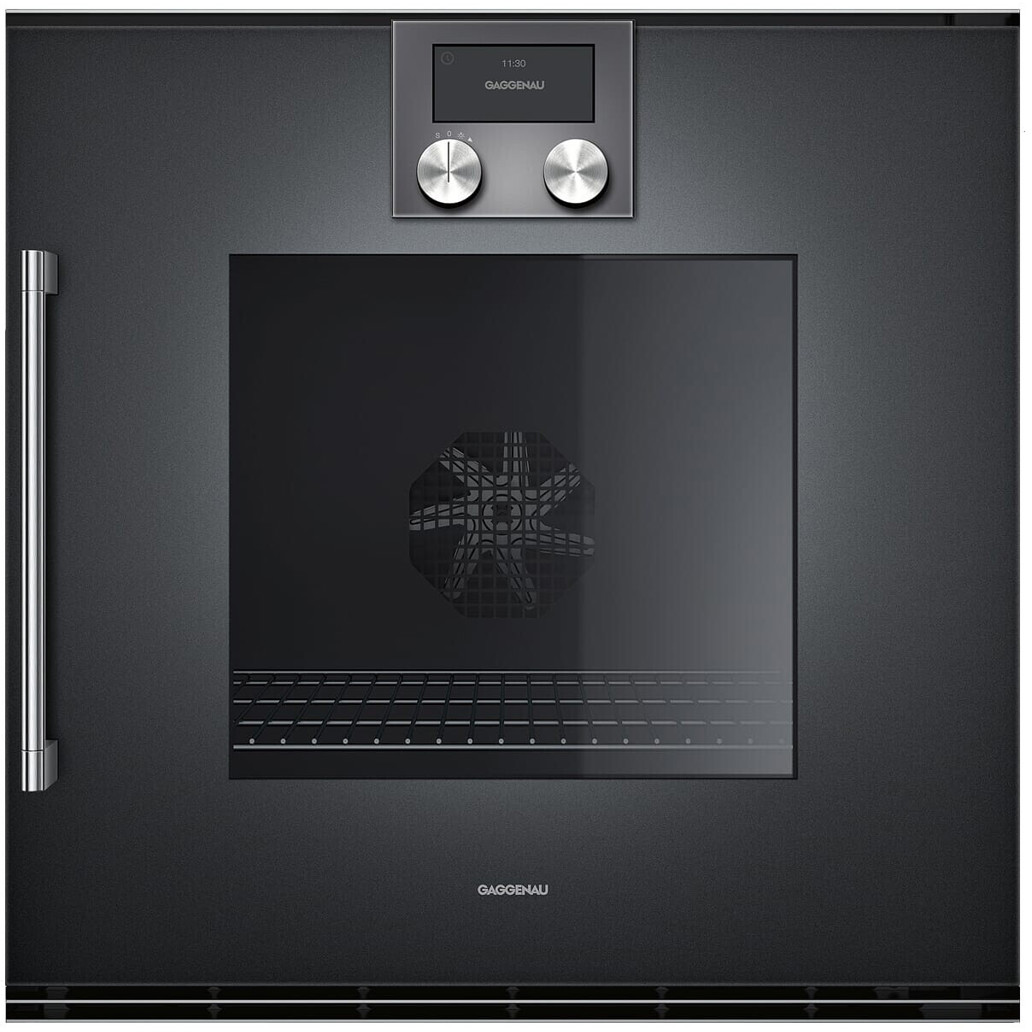
- Single Ovens: Ideal for smaller sized homes or those who cook infrequently.
- Double Ovens: Offering the flexibility of cooking several meals at different temperature levels, suitable for bigger families or those who amuse regularly.
- Combination Ovens: Merging convection and microwave innovations for fast and effective cooking.
Table 1: Types of Built-In Ovens
| Oven Type | Description | Perfect For |
|---|---|---|
| Single Oven | A single cooking cavity for basic cooking | Little families |
| Double Oven | Two separate cavities for simultaneous cooking | Large households |
| Combination Oven | Integrates convection and microwave cooking | Quick meal prep |
2. Requirements for Testing Built-in Ovens
Evaluating a built-in oven includes numerous essential requirements that can determine its total performance and user complete satisfaction. Here's a breakdown of what to test:
2.1 Cooking Performance
- Preheat Time: Measure how rapidly the oven reaches the wanted temperature.
- Temperature level Accuracy: Check the oven's real temperature level against the Backofen Set Autark Mit Induktionskochfeld Online Bestellen temperature using an oven thermometer.
2.2 Cooking Consistency
- Even Cooking: Cook a batch of cookies to see if they bake evenly.
- Roasting: Test a chicken to guarantee it cooks fully without burning.
2.3 Features and Controls
- Interface: Evaluate the ease of usage for dials, buttons, or touch controls.
- Cooking Modes: Assess the range and effectiveness of offered cooking modes, consisting of baking, broiling, and Einbaubackofen Mit Pyrolyse Und Dampfgarer Funktion Test (Https://iseodirectory.com/listings13400817/what-is-the-reason-adding-a-key-word-to-your-life-s-routine-will-make-the-impact) grilling.
2.4 Design and Build Quality
- Materials: Investigate the building materials for toughness and upkeep.
- Looks: Consider how well the oven incorporates into the kitchen area décor.
2.5 Energy Efficiency
- Energy Consumption: Review energy ratings and efficiency throughout usage.
- Self-Cleaning Features: Examine if the self-cleaning choice works and easy to utilize.
Table 2: Testing Criteria for Built-In Ovens
| Requirement | What to Test | Value |
|---|---|---|
| Cooking Performance | Preheat time, temperature level accuracy | High |
| Cooking Consistency | Even cooking, roasting quality | High |
| Features and Cerankochfeld Günstig Controls | Interface, cooking modes | Medium |
| Design and Build Quality | Products, aesthetic appeals | Low to Medium |
| Energy Efficiency | Energy usage, self-cleaning functions | High |
3. Testing Process
The screening process is methodical and can be broken down into a series of stages. Here's how to carry out an extensive Induktionskochfeld Autark Test for built-in ovens:
Phase 1: Initial Set-Up
- Installation: Ensure the oven is set up according to the producer's specs.
- Calibration: Calibrate the oven if necessary, following the user manual.
Stage 2: Preheat Testing
- Test1: Set the oven to 350 ° F and time for how long it requires to reach that temperature. Repeat for 400 ° F and 450 ° F. Phase 3: Cooking Tests
- Cookie Baking: Bake multiple trays of cookies, switching their positions halfway through to test for evenness.
- Roasting Chicken: Roast a whole chicken, noting the cooking time and internal temperature level at various points.
Stage 4: Feature Evaluation
- Control Panel: Use different functions to explore ease of navigation and responsiveness.
- Multifunctionality: Test additional modes like convection and grilling.
Stage 5: Efficiency Assessment
- Energy Consumption: Use a watt meter to determine energy usage during different cooking jobs.
Stage 6: Cleaning and Maintenance
- Self-Cleaning Cycle: Run the self-cleaning cycle and assess tidiness after conclusion.
4. Typical FAQs About Built-In Ovens
Q1: How do I pick the best built-in oven for my cooking area?
Selecting the ideal built-in oven depends upon your cooking practices, kitchen space, and design preferences. Think about factors such as size, cooking capability, and available functions.
Q2: Are built-in ovens more costly than conventional ovens?
Usually, built-in ovens tend to be more pricey due to their style and installation requirements. However, they can likewise enhance your cooking area's visual and functionality.
Q3: What's the typical life-span of a built-in oven?
The typical life-span of a built-in oven is around 10 to 15 years, depending on use and upkeep.
Q4: Do built-in ovens need more maintenance?
Built-in ovens typically need comparable maintenance to conventional ovens, though the integrated design may make ease of access for cleaning somewhat more tough.
Testing a built-in oven is crucial before making a purchase, as it permits potential buyers to establish the home appliance's abilities and guarantee it meets their needs. By considering crucial aspects such as cooking performance, functions, design, and energy performance, one can make a knowledgeable decision.
With the best screening procedures in place, picking the perfect built-in oven can transform not only your cooking experience but likewise raise your whole cooking area's design and performance.
댓글목록
등록된 댓글이 없습니다.
